Key takeaways
- Vascular surgery treats problems in the blood vessels, including blocked arteries, aneurysms, narrowed carotid arteries and troublesome veins.
- Many procedures today are endovascular, which means they work through a small puncture using thin tubes called catheters. Others are open procedures done through an incision.
- Common approaches include angioplasty and stenting, atherectomy, bypass, aneurysm repair, carotid procedures and vein treatments.
- The right procedure depends on your diagnosis, your overall health and your vascular specialist’s judgment. This article is educational and is not medical advice.
- Surgeons build these skills through hands-on training, and whole body donation through MERI’s Genesis Program helps make that training possible.
If you or someone you love has just received a vascular diagnosis, the words can feel heavy and unfamiliar. Terms like stent, aneurysm and endarterectomy get used quickly, often before you have had time to catch your breath. This guide slows things down. It explains the most common vascular surgery procedures in plain language so you can walk into your next appointment with better questions and a little more calm. It is educational only. Every decision about your care belongs with you and your physician or vascular specialist, who know your full history.
What vascular surgery treats
Vascular surgery focuses on the blood vessels that carry blood through the body, mainly the arteries and veins outside the heart and brain. The Society for Vascular Surgery, the professional body for these specialists, publishes patient resources that describe this scope in more detail at vascular.org.
Vascular specialists care for a wide range of conditions. Common ones include aneurysms, atherosclerosis, carotid artery disease, peripheral artery disease, chronic venous insufficiency, deep vein thrombosis, renal artery stenosis, thoracic outlet syndrome, varicose veins and stroke risk. Some are managed with medicine and lifestyle changes first. Others may call for a procedure.
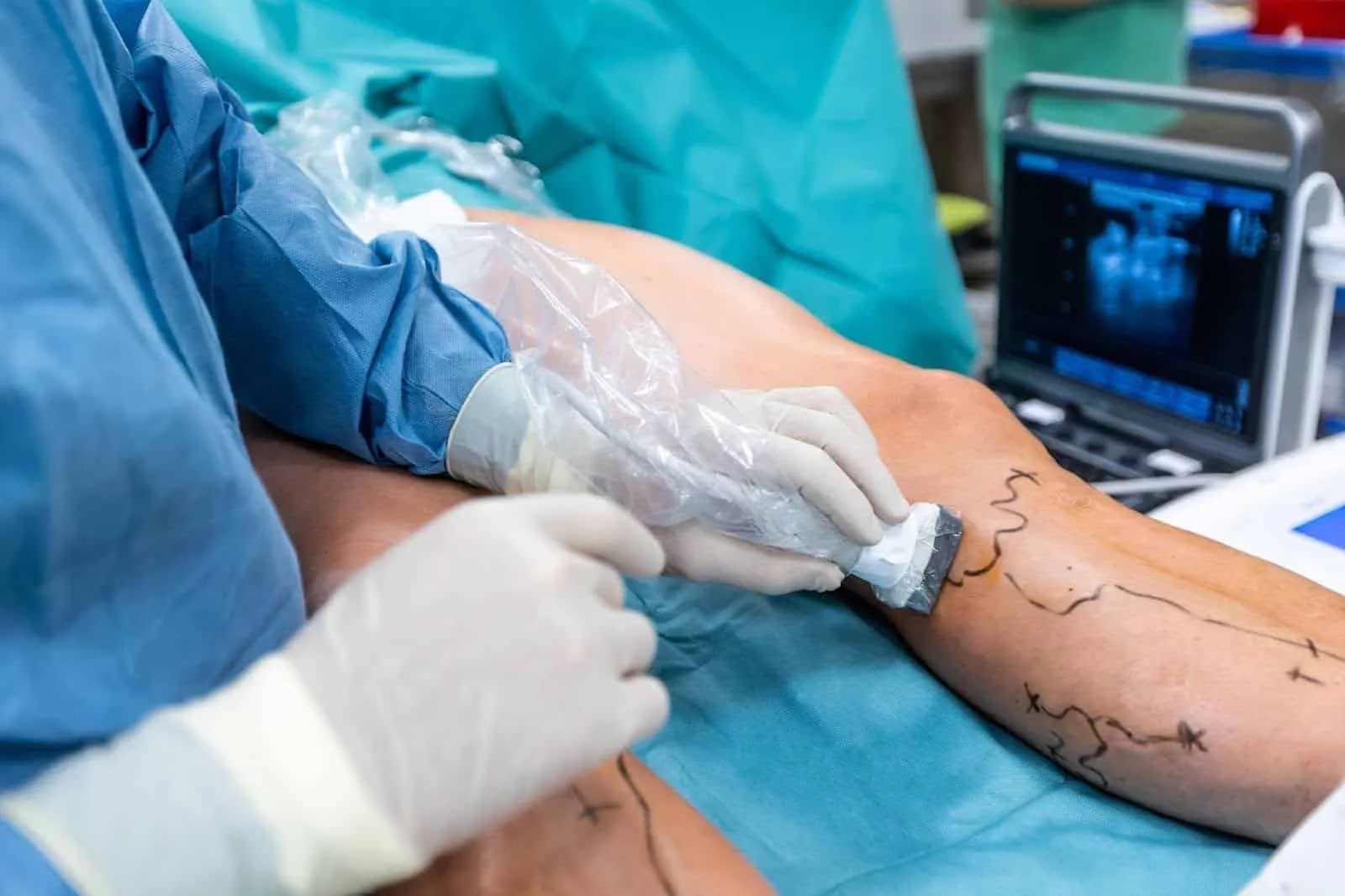
Two broad approaches show up again and again. Open procedures are done through an incision, so the surgeon can work on the vessel directly. Endovascular procedures work from inside the vessel through a small puncture, using thin catheters. Neither is always better. The choice depends on where the problem is, how severe it is and what is safest for you.
Procedures for blocked arteries (peripheral artery disease)
Peripheral artery disease, or PAD, happens when arteries in the legs or arms narrow because of plaque buildup. That can cause leg pain when walking, slow-healing wounds and other problems. According to the National Library of Medicine’s MedlinePlus, PAD is a common circulation problem that affects many people, and you can read a patient overview at medlineplus.gov.
When PAD needs a procedure, a few approaches are common:
- Angioplasty and stenting. A specialist guides a catheter to the narrowed spot and inflates a small balloon to widen the artery. In many cases a stent, a small mesh tube, is left in place to help hold the artery open.
- Atherectomy. This procedure shaves or removes plaque from inside the artery to restore blood flow. It is sometimes used when plaque is hard or heavily built up.
- Bypass. In a surgical bypass, the surgeon reroutes blood around a blocked or narrowed section using a graft or one of your own vessels. This is an open procedure and is often considered when blockages are long or severe.
Your specialist weighs which of these fits your anatomy and your health. Talking through the trade-offs together is part of good care.
Aneurysm repair
An aneurysm is a weakened, ballooned section of an artery wall. The aorta, the body’s largest artery, is a common site. If an aneurysm grows large, it can be dangerous, so specialists monitor it closely and repair it when the risk warrants.
There are two main ways to repair one. Open repair reaches the vessel through an incision, and the surgeon replaces the weakened section with a graft. Endovascular repair, often shortened to EVAR when it involves the aorta, works from inside the vessel. A specialist guides a stent graft into place through small punctures to reinforce the weak spot without a large incision. Recovery and candidacy differ between the two, so this is a careful conversation with your care team. Because early aneurysms rarely cause symptoms, screening matters for people at higher risk, and your physician can tell you whether it applies to you.
Carotid and stroke-prevention procedures
The carotid arteries in the neck carry blood to the brain. When plaque narrows them, the risk of stroke can rise. Two procedures are commonly used to lower that risk.
Carotid endarterectomy is an open procedure. The surgeon opens the artery and removes the plaque to restore smoother blood flow. Carotid stenting is an endovascular option that widens the narrowed artery and places a stent to hold it open. Which one is considered depends on the degree of narrowing, your symptoms and your overall health. A vascular specialist, often with a neurologist, helps weigh stroke risk against the risks of each procedure.
Venous procedures
Not all vascular problems involve arteries. Veins carry blood back toward the heart, and when their small valves weaken, blood can pool. That can lead to varicose veins, swelling and aching legs, part of a condition called chronic venous insufficiency.
Several gentle, minimally invasive options are common today:
- Endovenous ablation. A thin catheter delivers heat, often from a laser, to close a faulty vein so blood reroutes to healthier ones. Endovenous laser treatment is one form of this.
- Sclerotherapy. A specialist injects a solution into smaller varicose or spider veins, causing them to fade over time.
Many venous procedures are done in an outpatient setting with a quick return to daily life. Still, the right choice depends on your veins and your symptoms, so a specialist’s assessment matters.
How surgeons train for these procedures
Behind every steady hand in the operating room are years of practice. Much of that practice happens before a surgeon ever treats a patient, in hands-on training on donated human tissue.
MERI is the Medical Education and Research Institute, a nonprofit teaching and training facility in Memphis, Tennessee, founded in 1994. You can learn more about its mission on the MERI about page. MERI does not perform surgery or provide patient care. Its role is medical education and training. Surgeons, residents and other clinicians come to practice techniques in a controlled setting, guiding catheters, placing stents and rehearsing open repairs so their skills are sharp when it counts.
That training is made possible by people who choose whole body donation. Through the Genesis Whole Body Donation Program, donors give a final gift that helps train the next generation of clinicians. If you want to understand the choice itself, MERI explains it plainly in what is whole body donation and in a look at what happens to bodies donated to science. You can also read how body donation advances surgical training at MERI’s BioSkills Lab. Every donor is treated as a living patient for every training procedure, which MERI holds as a core value.
Frequently asked questions
What is the difference between open and endovascular surgery?
Open surgery reaches the vessel through an incision so the surgeon can work directly. Endovascular surgery works from inside the vessel through a small puncture using catheters. Each has trade-offs in recovery and candidacy, and your specialist recommends the approach that fits your condition and health.
What is the most common vascular surgery?
There is no single answer, because it depends on the condition being treated. Angioplasty and stenting for blocked arteries and carotid procedures to lower stroke risk are among the more frequently performed. The Society for Vascular Surgery describes these procedures in its patient resources.
Is vascular surgery major surgery?
It varies. Some procedures, like sclerotherapy or certain vein ablations, are minimally invasive and done in an outpatient setting. Others, like open aneurysm repair or bypass, are larger operations with a longer recovery. Ask your care team what to expect in your situation.
How do I know which procedure is right for me?
That is a decision to make with your vascular specialist, based on your diagnosis, your anatomy and your overall health. This article is educational and cannot replace that conversation. Writing down your questions before your appointment can help.
How does whole body donation connect to vascular surgery?
Donated human tissue lets surgeons practice these techniques before treating patients. Programs like MERI’s Genesis Whole Body Donation Program make that hands-on education possible, which is one quiet way donation supports better surgical care.
Supporting the training behind better surgery
Learning about a vascular diagnosis is hard, and we hope this guide made it a little clearer. When you are ready, the most important next step is a conversation with your physician or vascular specialist about what is right for you.
There is another quieter way people support better surgical care. MERI’s Genesis Whole Body Donation Program helps train the clinicians who one day stand at the bedside. If you would like to understand that gift, you can learn about whole body donation or reach the Genesis team with any question. There is no pressure, and no cost to ask.