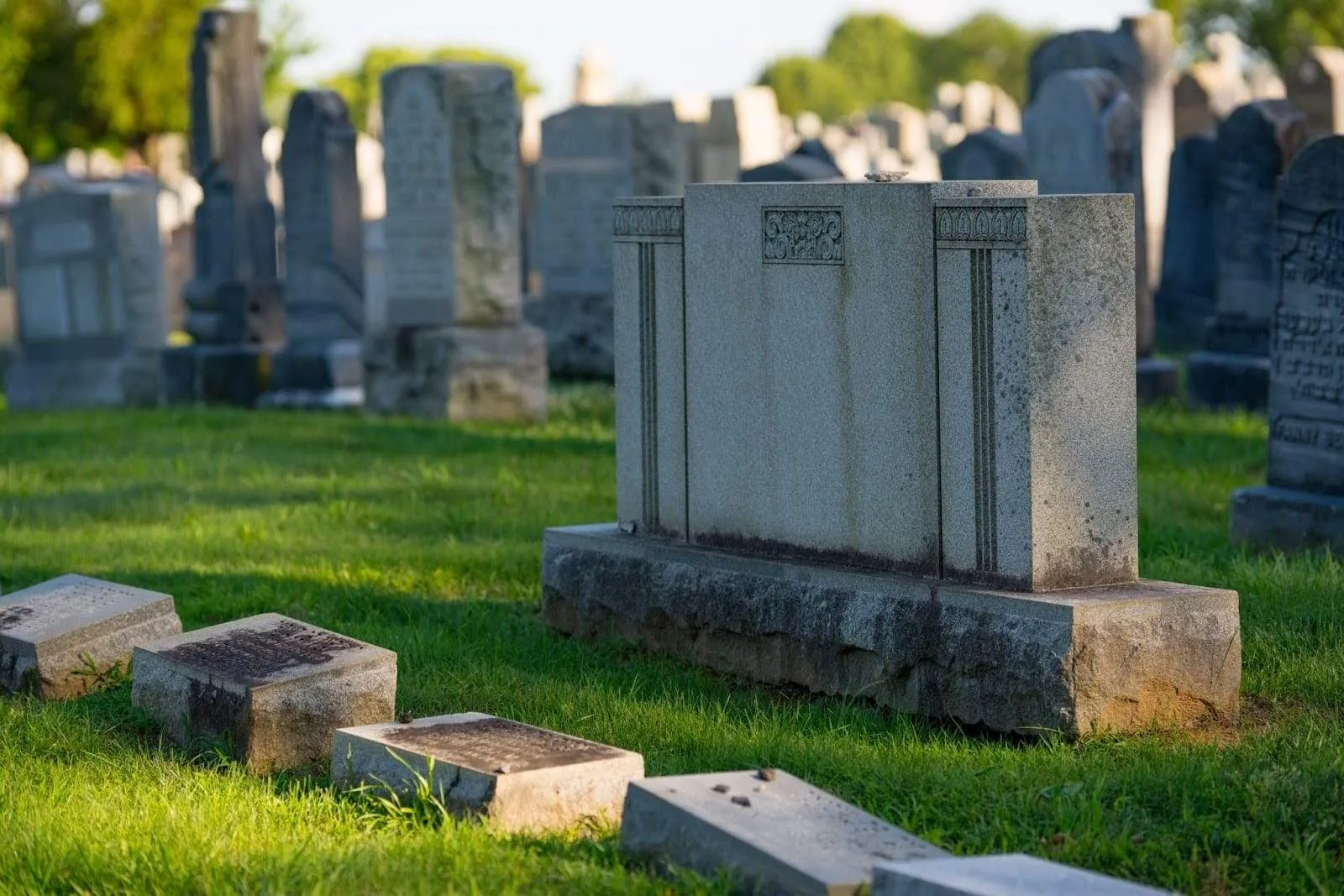

Understanding the different types of cemetery plots is one of the biggest decisions your family faces when planning a burial,and there is no right answer. The best option mainly depends on budget, family structure, personal values, and what is most important to your family.
This guide goes over all of the main types of burial plots available, what each one generally costs, and who each option suits best.
For additional guidance on cemetery regulations and consumer rights, visit the Federal Trade Commission.
Single Burial Plot
Single burial plots are designated for people who want a dedicated resting place. These plots are the most common options available in cemeteries, and are ideal for people who are not planning to be buried beside family members.
These plots are generally marked with a headstone or grave marker since it lets loved ones visit and pay their respects whenever they feel like going. Since they take up less space overall, they are generally more affordable. Most cemeteries offer different customization options, such as personalized grave markers and personalized memorials that allow you to honor your loved one’s life and legacy.
Best for: people without a preference for their burial location.
Companion Burial Plot
Companion plots are a type of cemetery plot designed to accommodate two people whose last wish was to be laid to rest together. These plots are generally chosen by married couples, close family members, or friends. The burial arrangements can vary, with the most common being two individual plots side by side. Some cemeteries also offer double-depth companion plots where the caskets are placed one on top of the other.
One of the advantages of companion plots is the ability to create a shared memorial space, which gives you the option to create a single headstone with both names or individual markers. Families who decide to pick a companion plot should make sure to ask the cemetery for regulations regarding memorialization, since some cemeteries have strict rules about the types of grave markers allowed.
Best for: couples who want to remain together and simplify long-term planning.
Family Burial Plot
Family plots provide a designed burial space for multiple family members, allowing loved ones to remain together in a shared memorial area. Generally, these plots can accommodate up to 5 individuals for small family sections and 6 or more members for extended families.
Picking a family burial plot ensures that future generations have a spot for remembrance, which fosters a feeling of heritage and continuity. Families may also request shared memorials, custom headstones, and benches that all reflect their legacy.
These plots generally require a lot more planning than the previous options, since space availability needs to be considered for future burials.
Best for: families who have a strong sense of heritage and belonging, or those who want a central memorial space for their family.
Cremation Cemetery Plot
Cremation plots are a great option for people who choose cremation but still want a permanent burial site. These plots can be found in most cemeteries or specialized memorial parks designed for cremated remains.
There are different ways you can inter the cremated remains:
- Traditional burial plots: Some cemeteries have a smaller section only for urn burials.
- Columbarium niches: These are above-ground structures that house urns containing ashes.
- Memorial gardens: Outdoor spaces dedicated solely to cremated remains and often have the option for shared or private markers.
Some cemeteries will require a grave liner for cremation plots as a way to maintain the overall integrity of the burial site. Consider additional costs, the extra costs such as an urn, grave markers, or a memorial plaque when planning for a cremation burial. For a detailed cost comparison, visit our cremation costs information.
Mausoleum Crypts
Another type of cemetery plot is mausoleum crypts. These provide an above-ground burial alternative for those who prefer entombment rather than traditional in-ground burial. These structures, typically made of stone or concrete, house caskets within individual or family crypts.
Mausoleums come in various sizes, ranging from single-person crypts to large family chambers. These burial options are often pricier than traditional ground plots. This is because they are durable, secure, and more prominent. Some mausoleums are private, reserved for a single family, while others serve as community spaces with multiple crypts available to the public.
Mausoleum entombment is popular. It protects against the elements and offers a distinguished final resting place. Many mausoleums have climate-controlled interiors. This allows visits in any weather. As a result, they are a popular choice for comfortable remembrance.
Veteran Plots
Veterans and eligible family members may receive burial benefits through government programs, such as the Veterans Pre-Need Program. Such plots are typically located in national or state veterans’ cemeteries and provide a dignified and honorable final resting place for those who have served in the armed forces.
Veteran burial benefits often include:
- Free burial plots for eligible veterans.
- Government-issued headstones or markers at no cost.
- Ceremonial honors, including flag presentations and military memorial services.
While many veterans’ cemeteries provide these services free of charge, families should check eligibility requirements and availability, as space in national cemeteries may be limited. Some private cemeteries also offer discounted veteran burial options with additional services tailored to military families.
Best for: people who served and are on a tight budget.
Green Burial Plots
A green burial plot is designed for people who want an environmentally friendly burial. Unlike traditional burials, green burials use no embalming chemicals, no metal caskets, and no concrete vaults. The body is returned in the most natural state and in a biodegradable shroud or casket, which helps minimize the environmental impact at every stage.
Green burial is also legal in every state in the US, but availability depends on your local area. Not every single cemetery will offer a designated green section, so double-check with your local cemetery if the option is available or not.
The demand for green burials has gone up significantly in recent years as more families are looking for sustainable options.
Best for: people with a strong love for their environment or a preference for minimal intervention in the natural decomposition process.
Pre-Owned Burial Plots
One final type of cemetery plot is a pre-owned burial plot, also known as reclaimed or resale plots. These are cemetery spaces that were purchased in advance but are now available for resale. Families may choose pre-owned plots as a cost-effective option, as these plots can sometimes be acquired at a lower price than newly sold burial spaces.
There are several reasons why pre-owned plots become available, including families relocating, changes in burial plans, or estates selling unused plots. Purchasing a pre-owned burial plot can also provide access to cemeteries that have limited new spaces available.
Before purchasing a pre-owned plot, it’s important to verify ownership, transfer policies, and any associated cemetery fees. Families should also check whether the plot includes perpetual care services, ensuring that the grave remains maintained over time.
Best for: people who have a strict budget and want a specific cemetery for their loved one.
How Much Does a Burial Plot Cost?
The cost of a burial plot varies significantly based on multiple factors, including location, plot size, and additional amenities. Understanding these cost influences can help families make an informed decision when selecting a final resting place.
Factors Affecting Burial Plot Prices:
- Location: Burial plots in metropolitan areas or high-demand cemeteries tend to be more expensive than those in rural locations. Prime locations within a cemetery, such as spots near walkways, scenic areas, or historical landmarks, can also increase costs.
- Size: Standard single plots are more affordable, whereas companion plots, family plots, or larger memorial sections come at a premium due to the additional space required.
- Amenities & Services: Some cemeteries offer maintenance packages, security features, and exclusive memorial options, all of which contribute to the overall cost. Plots with perpetual care agreements, ensuring long-term upkeep, are often priced higher than those requiring annual maintenance fees.
Families should also consider additional expenses, such as the cost of a headstone, type of grave liner, or burial vault, as well as administrative fees that may be charged by the cemetery.
When You Buy a Cemetery Plot, Is It Yours Forever?
Purchasing a cemetery plot does not always mean it belongs to you indefinitely. Ownership policies vary based on cemetery regulations, local laws, and specific agreements between the plot owner and the cemetery.
Types of Cemetery Plot Ownership:
- Perpetual Rights: In many cemeteries, purchasing a burial plot grants the owner the right to use it indefinitely. This is known as perpetual ownership, where the cemetery maintains the site permanently through a perpetual care fund.
- Time-Limited Leases: Some cemeteries, particularly in densely populated regions, operate on a lease system. This means the right to use the plot is granted for a set period, such as 50 or 100 years, after which the cemetery may reclaim or reuse the space.
- Cemetery Regulations: Policies can differ widely, with some cemeteries requiring ongoing maintenance fees or imposing restrictions on headstones, decorations, or memorial markers. It’s important to review cemetery contracts to understand any conditions that may impact long-term ownership.
Families should always check cemetery policies before purchasing a plot to ensure they fully understand the terms of ownership, maintenance expectations, and any potential restrictions.
How Can MERI Support?
Navigating burial options can be an emotional and financial challenge for families. At MERI, we provide an alternative to traditional burial methods by offering Full Body Donation, which not only alleviates funeral costs but also contributes to medical research and education. Our program supports families in several key ways:
Relieving Financial Burdens
The cost of burial plots, headstones, and other funeral expenses can be overwhelming. Our donation program eliminates many of these costs by covering transportation, cremation, and necessary paperwork, allowing families to focus on honoring their loved ones without the financial strain.
Advancing Medical Science
Whole body donation plays a vital role in medical advancements, education, and innovation. By choosing this option, families can create a meaningful legacy, supporting the training of future healthcare professionals and contributing to research that improves patient care worldwide.
A Streamlined Process
Understanding the logistics of end-of-life arrangements can be daunting. We simplify the donation process, handling everything from paperwork and transportation to the return of cremated remains to the family. This ensures a smooth, respectful experience while supporting a cause that benefits countless lives.
There are many options for funerals and burials, allowing families to choose what best honors their loved ones while considering personal preferences, traditions, and financial needs. Learn more about whole body donation and how it can provide both emotional and practical relief.
Frequently Asked Questions (FAQ)
How much does a cemetery plot cost?
Cemetery plot costs change depending on the location and the type you’re looking for. Single plots generally cost $1000-$4000 in most US areas. Urban and private cemeteries generally exceed $5000 for a single plot. Mausoleum crypts are by far the most expensive option. It is helpful to request a detailed cost breakdown when you visit a cemetery.
How do I buy a cemetery plot?
Contact the cemetery directly or work through a funeral home. Purchasing in advance, generally known as pre-need cemetery planning, locks in current pricing and removes the burden of decision-making from your family at the time of death. Pre-need purchases can often be transferred if you relocate.
What is the difference between a burial plot and a cemetery plot?
The terms are used interchangeably. Both refer to the same designated space within a cemetery for burial or interment of cremated remains.
Can cremated remains be buried in a cemetery plot?
Yes. Many cemeteries offer designated cremation cemetery plots or allow ashes to be interred in existing family plots. Some require a specific container or grave liner. Confirm the cemetery’s requirements before purchasing.
What is an opening and closing fee?
This is the cemetery’s separate charge for preparing the grave before a burial and filling it afterward. It is not included in the plot price and is one of the most commonly overlooked burial costs. Fees typically range from a few hundred dollars to over $1,000 depending on the cemetery and burial type.
Are green burials legal?
Yes, in all 50 US states. Regulations vary by state and municipality, and not all cemeteries offer green burial sections. If a natural burial is important to you, confirm availability in your area before making other arrangements.