Key takeaways
- Direct burial is interment shortly after death, usually within 24 to 72 hours, without embalming, a public viewing or a formal funeral service.
- It is one of the simpler and more affordable burial options, because it removes the cost of embalming, a viewing and a large ceremony.
- You can still hold a memorial or graveside gathering later, on your own timeline and budget.
- The FTC Funeral Rule gives you the right to an itemized price list, and embalming is not usually required by law.
- Direct cremation and whole body donation are two other low-cost options worth understanding before you decide.
Planning a goodbye should not add money worries to grief. If you are looking for a simpler, more affordable and dignified way to lay a loved one to rest, direct burial may be a good fit. It gives a family a calm, respectful farewell without the expense of a large service. This guide explains what direct burial is, how it works, what it tends to cost and how it compares to a few other options. There is no pressure here and no upsell, only clear answers to help you decide what feels right for your family.
What is direct burial?
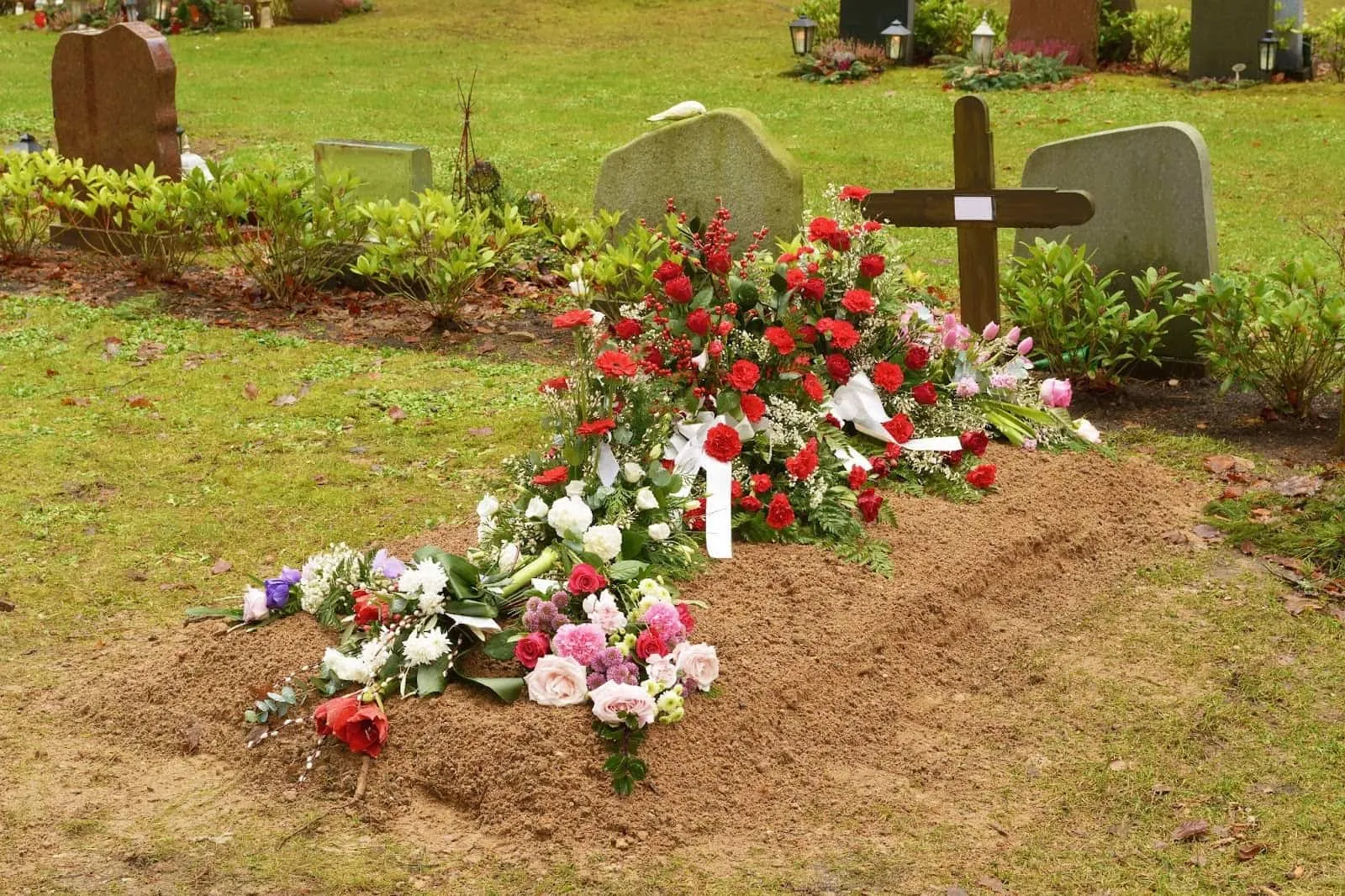
Direct burial is a straightforward form of interment. The body is buried in the ground shortly after death, without embalming, a public viewing or a formal funeral service beforehand. Burial usually happens within about 24 to 72 hours.
A direct burial typically includes transportation of the body from the place of death to the cemetery, a basic and cost-effective casket and the burial itself. Some families choose to gather at the graveside for a short, private moment. Others hold a separate memorial service days or weeks later, when there is more time to plan.
Direct burial differs from a traditional funeral, which often involves several days of viewings, a ceremony and embalming. By removing those steps, it lowers both the time and the expense involved. The goodbye is quieter, and it can still be deeply meaningful.
How direct burial works, step by step
The process is designed to be simple during a hard time. Here is what it usually looks like.
- The funeral home or provider transports the body from the place of death to their care.
- The family selects a basic casket and confirms the cemetery and plot.
- Required paperwork is completed, including the death certificate and any cemetery permits.
- The burial is scheduled, usually within a few days.
- The body is buried, with an optional short graveside gathering if the family wants one.
- The family plans a separate memorial or celebration of life later, if they wish.
Because there is no embalming or public viewing, the timeline is short and the number of decisions is small. That can be a relief for a family that is grieving and does not want a long, elaborate process.
What direct burial costs
Cost is often the reason families look at direct burial in the first place, so it helps to see it in context. A traditional funeral with a viewing and burial is one of the more expensive options, which is part of why many families now look at simpler arrangements. The National Funeral Directors Association publishes current median funeral costs if you want to compare figures for a given year.
Direct burial usually costs less than a traditional funeral, because it removes the price of embalming, a viewing and a large ceremony. The exact amount depends on the provider, the casket you choose and cemetery fees such as the plot and the opening and closing of the grave. Prices vary widely, so it is worth asking each provider for a written, itemized quote rather than relying on a single number. MERI compares options in its guide to the cost of cremation versus burial, which can help you weigh the trade-offs.
Direct burial vs. direct cremation vs. whole body donation
Families weighing a simple, lower-cost goodbye often compare three paths. Here is an honest look at how they differ on cost, timeline, what remains and meaning.
Direct burial. The body is buried soon after death without a formal service. Cost is usually lower than a traditional funeral, though cemetery and casket fees apply. What remains is a grave the family can visit. A separate memorial is always an option.
Direct cremation. The body is cremated soon after death without a viewing or service. It often costs even less than direct burial, since there is no casket or plot to buy. What remains are the ashes, which the family can keep, bury or scatter. A memorial can follow whenever the family is ready.
Whole body donation. This is a different choice altogether. It is not a burial service. Through a program like MERI’s Genesis Whole Body Donation Program, a person donates their whole body to support medical education, training and research. For eligible donors, the program covers transportation, the death certificate and cremation at no cost to the family. After roughly 6 to 12 months, the cremated remains are returned to a loved one. The added meaning is that the gift helps train doctors, surgeons, nurses and other professionals who care for future patients. You can read what happens to bodies donated to science to understand the process in full.
There is no single right answer. The best choice is the one that fits your family’s values, your timeline and your budget.
How to choose, and how to plan ahead
Whatever path you consider, you have rights that protect you as a consumer. Under the FTC Funeral Rule, a funeral provider must give you an itemized price list so you can see the cost of each service and choose only what you want. You have the right to buy goods and services separately, and you do not have to accept a package that includes items you do not need.
The rule also clears up a common worry. Embalming is not usually required by law, and a provider may not tell you it is when it is not. For a direct burial with no public viewing, embalming is generally not needed at all.
A few simple steps make planning easier. Ask several providers for a written, itemized quote and compare them side by side. Confirm cemetery fees separately, since the plot and grave services are often billed apart from the funeral home. Talk with your family about your wishes so no one has to guess later. MERI also explains how funeral costs and how body donation can help fit together, if you want to see how the options line up on price.
Frequently asked questions
What is the difference between direct burial and a traditional funeral?
Direct burial is interment shortly after death without embalming, a viewing or a formal service. A traditional funeral usually includes several days of viewings, a ceremony and embalming. Direct burial lowers both the time and the cost involved.
Is embalming required for a direct burial?
Usually not. Embalming is generally not required by law, and it is typically unnecessary for a direct burial with no public viewing. The FTC Funeral Rule says a provider cannot falsely claim that embalming is required.
Can we still have a memorial service?
Yes. Direct burial does not include a formal service beforehand, but you can hold a memorial or celebration of life afterward, on your own timeline. Many families find this gives them more time to plan and gather.
How much does direct burial cost?
It varies by provider, casket and cemetery fees, so there is no single price. Direct burial usually costs less than a traditional funeral. Ask each provider for a written, itemized quote so you can compare fairly.
How soon does direct burial happen?
It typically takes place within about 24 to 72 hours after death, since there is no viewing or extended service to arrange.
How is direct cremation different from direct burial?
Direct cremation cremates the body soon after death instead of burying it, and it often costs less because there is no casket or plot to purchase. Both skip the viewing and formal service. The right pick depends on your budget and what you want to remain afterward.
Considering a meaningful alternative?
If you are drawn to a simple, low-cost goodbye and you would also value a lasting purpose, whole body donation may be worth learning about. It is a distinct option, not a burial service. Through MERI’s Genesis Program, eligible donors give their whole body to advance medical education, training and research. MERI covers transportation, the death certificate and cremation at no cost to the family, and the cremated remains are returned to a loved one after roughly 6 to 12 months.
Acceptance is decided at the time of death based on medical suitability, so it cannot be guaranteed for everyone who registers. Many families arrange a backup plan, such as direct cremation, for peace of mind. If this feels like it could be right for you or your loved one, you can learn more about the Genesis Whole Body Donation Program. There is no pressure and no cost to ask.